Apart from your smoker itself, the fire is everything.
But just as important as how your charcoal burns is what’s actually in it. A lot of cheaper options use fillers and chemical additives that can affect both performance and what you’re cooking over.
That’s why this guide focuses on natural, clean-burning charcoal — real hardwood, no unnecessary additives, and consistent results.
I’ve used both lump charcoal and briquettes across different setups, and the reality is this:
👉 There isn’t one “best” type — but there is a best choice depending on how you cook.
This guide will show you what actually works and the few charcoals I’d confidently use myself.
Burning Brisket is reader-supported. When you buy through links on our site, we may earn an affiliate commission. Read our affiliate policy to learn more.
Quick Verdict - Which Charcoal Is Best for Smoking?
These burn very differently — one is more natural and responsive, the other is more controlled and consistent.
Choose briquettes if:
- You want steady, predictable temperatures
- You’re cooking low and slow (brisket, pork shoulder)
- You don’t want to constantly adjust vents
- You’re newer to charcoal and want easier cooks
👉 Best pick: Jealous Devil XL Briquettes
Choose lump charcoal if:
- You want a clean, natural fuel with no additives
- You prefer more control over your fire
- You’re cooking on a kamado or similar setup
- You want higher heat for versatility
👉 Best pick: Jealous Devil Lump Charcoal
Quick Picks: Best Charcoal for Smoking
These are the charcoal options I’d actually use — all natural, clean-burning, and proven to hold steady temperature when it matters.
🔥 Best Overall
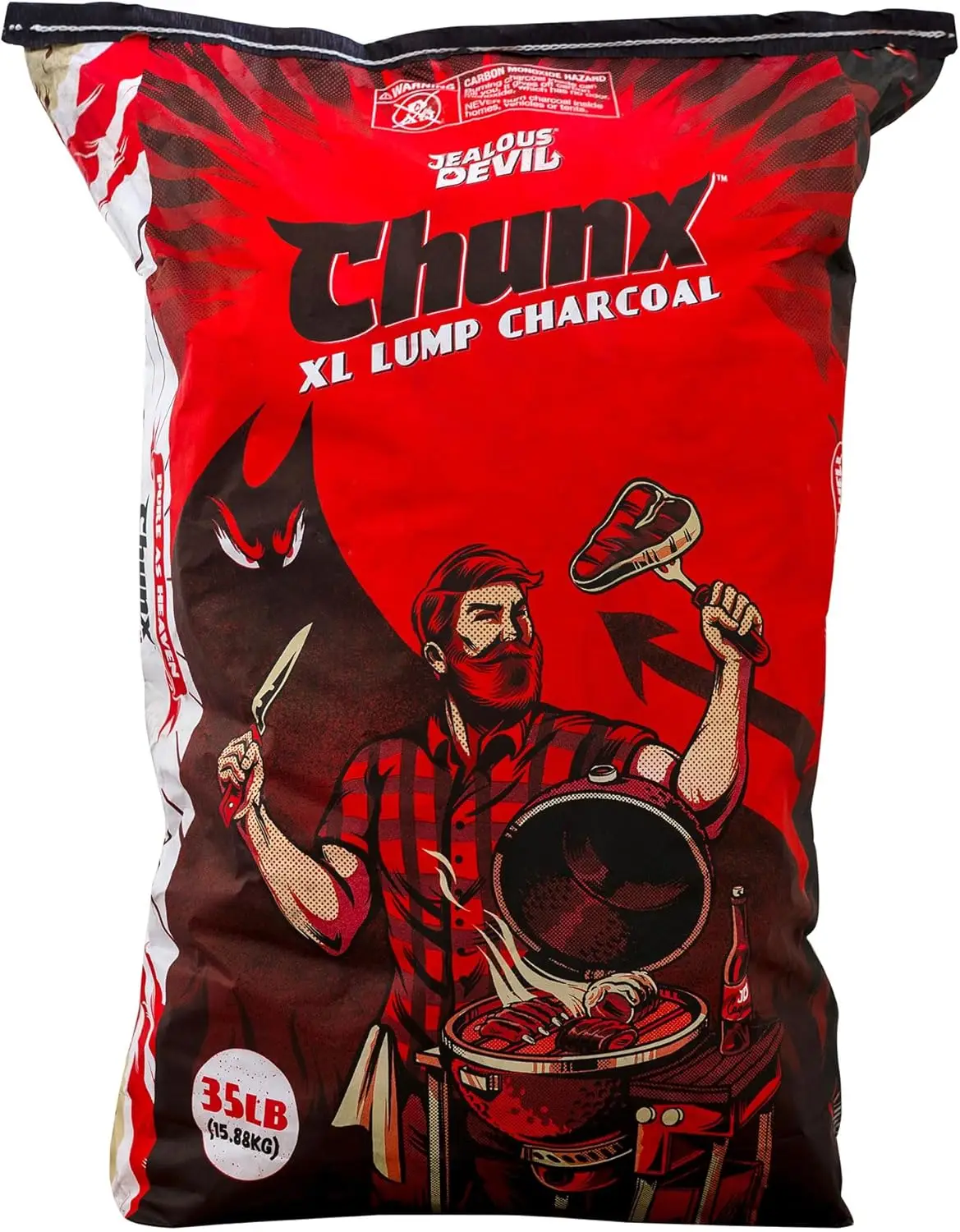
IF YOU WANT: A clean, natural charcoal that burns long and works across almost any smoker.
🧱 Best Briquettes

IF YOU WANT: Easy, consistent low-and-slow cooks without constantly adjusting your fire.
🌲 Best Flavor
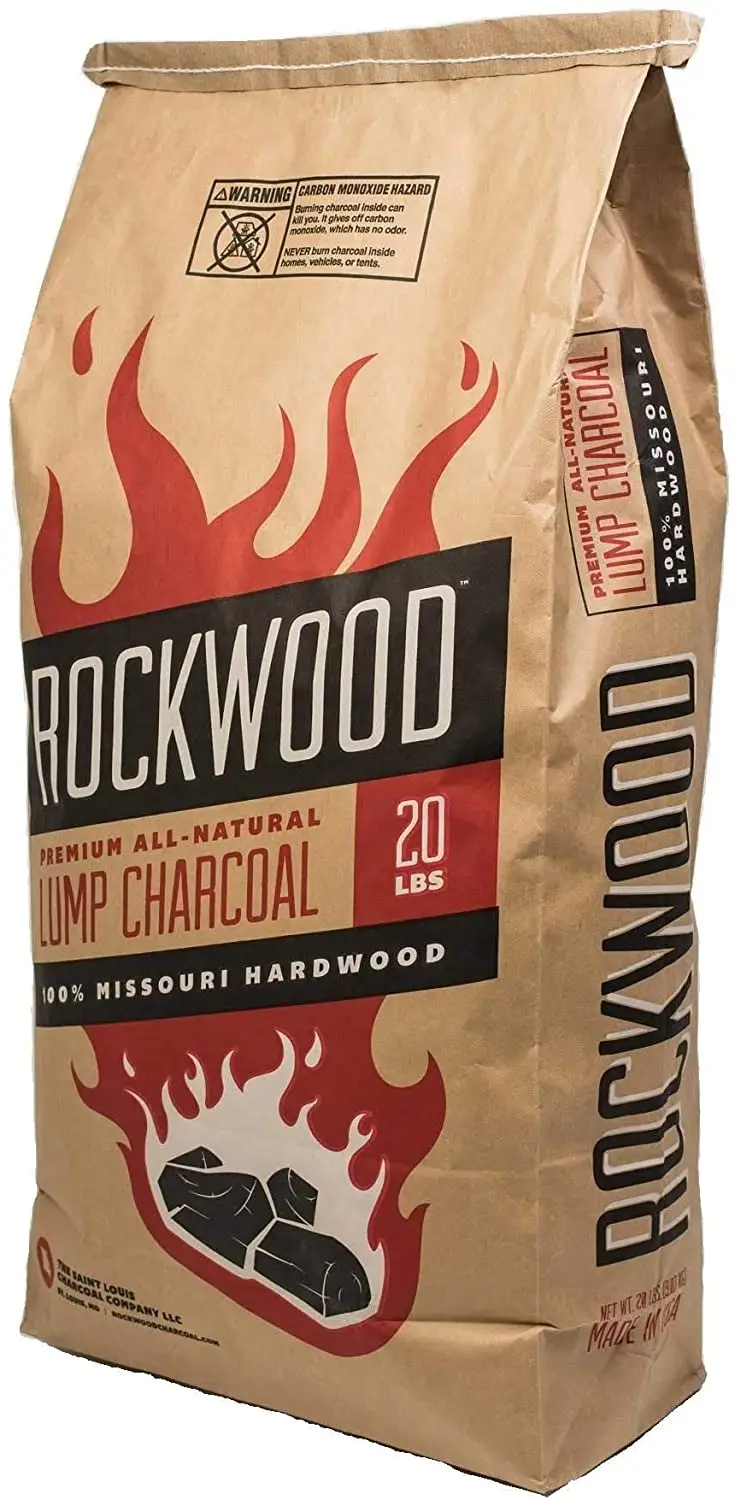
IF YOU WANT: A more traditional BBQ profile with a slightly stronger, wood-fired smoke flavor.
🔥 Skip Lighter Fluid (Use This Instead)
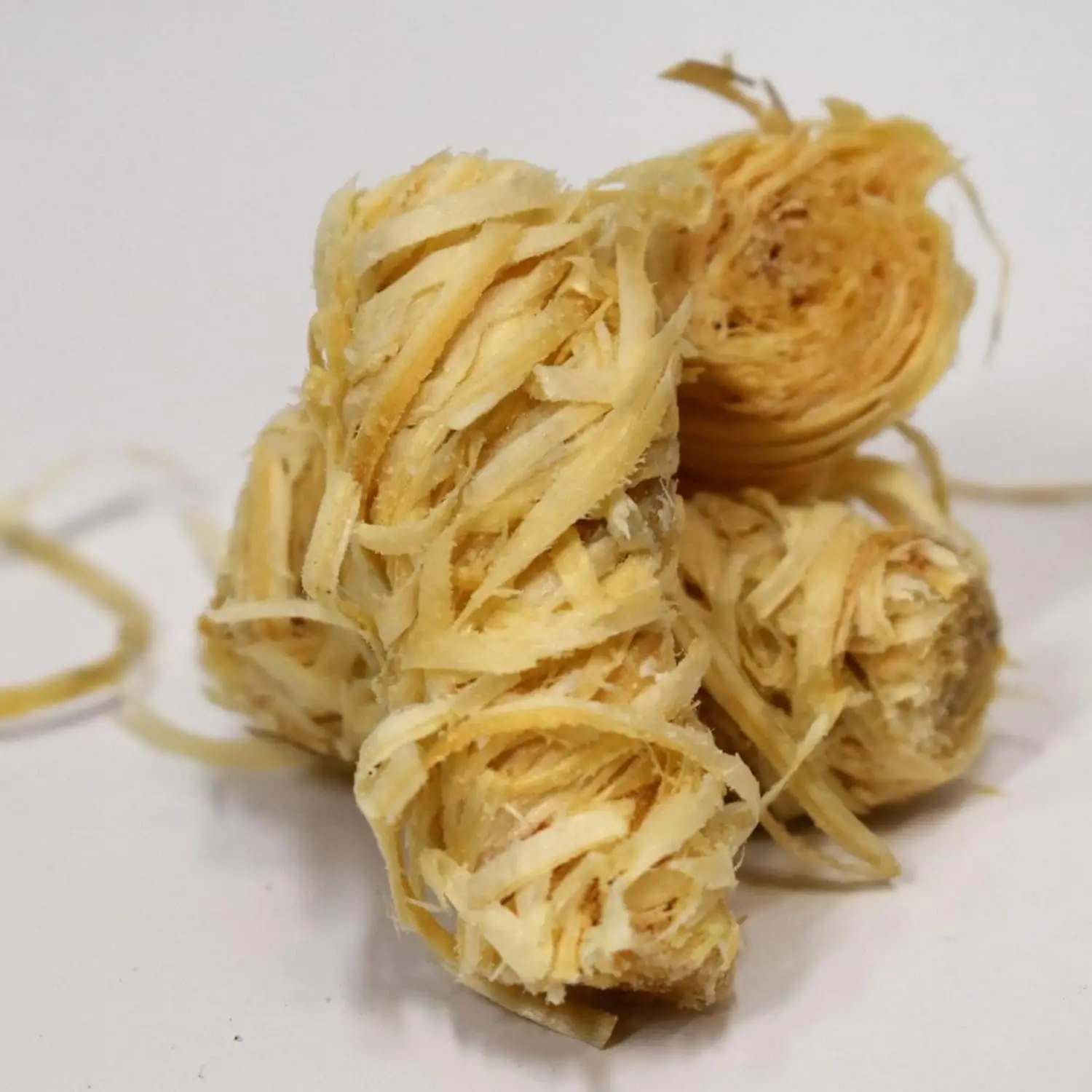
- No chemicals or additives
- Lights fast and reliably
- Clean burn, no smell
Table of Contents
How We Tested the Best Charcoal for Smoking
We don’t recommend anything we wouldn’t use ourselves.
Every charcoal here has been tested across real cooks, focusing on:
- Natural, additive-free fuel
- Long, steady burn times
- Consistent temperature control
- Clean smoke and flavor
If it didn’t burn clean or hold temperature properly, it didn’t make the list.
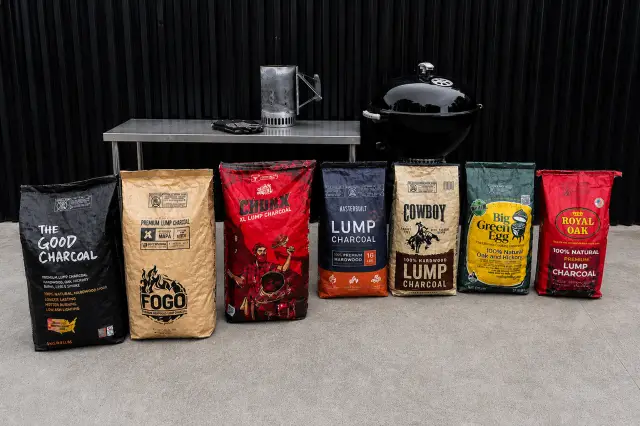
Lump vs Briquettes for Smoking (Real Differences)
Burn Time & Temperature Control
Briquettes burn longer and more evenly
→ easier to hold steady temps for hours
Lump charcoal burns hotter and responds faster
→ more control, but needs more attention
👉 If you want stability → briquettes
👉 If you want responsiveness → lump
Flavor Differences
With clean, properly made charcoal, the difference is subtle.
Lump charcoal can give a slightly more natural wood-fired flavor, while briquettes tend to be more neutral.
Most of your smoke flavor comes from wood chunks, not charcoal.
Ease of Use
- Briquettes: predictable and repeatable
- Lump: variable and less consistent
👉 If you want easier cooks → briquettes
👉 If you’re comfortable managing airflow → lump
When Each One Actually Makes Sense
- Long cooks (brisket, pork shoulder): briquettes
- Kamado cooking: lump charcoal
- Hot cooks / searing: lump
- Beginners: briquettes
What I Actually Use (And When)
In practice, I end up using both.
For long, low-and-slow cooks like brisket or pork shoulder, I’ll use briquettes because they hold a steady temperature with less effort.
For shorter cooks, higher heat, or when I’m using a kamado, lump charcoal is the better choice because it burns cleaner and responds faster.
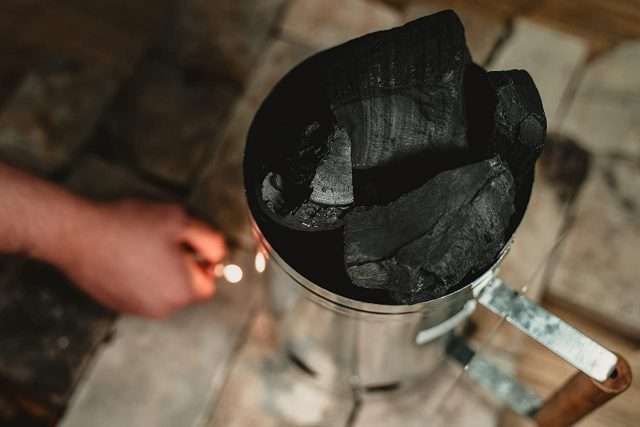
If you want to go deeper on each type, see my full guides on best lump charcoal for smoking and best charcoal briquettes.
Best Charcoal for Smoking (Top Picks Reviewed)
All of these are natural, additive-free options. That’s the baseline — if it’s not clean, it’s not worth using.
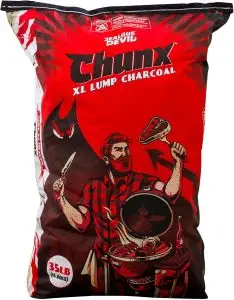
BEST OVERALL
Jealous Devil Lump Charcoal
If you want a clean, natural charcoal that burns longer than most lump, this is the one I’d use.
It’s made from dense hardwood, which gives it better burn time and more stable temperature control than typical lump charcoal.
Why this works
- Completely natural, no additives
- Longer burn than typical lump
- Low ash and clean burn
- Easy to control once set
What to expect
- Pieces vary in size (normal for lump)
- Slightly higher upfront cost
- Can take a bit longer to get fully going
Who it’s best for: If you want a clean-burning, all-round charcoal that works across any smoker.
Also available at: Walmart

BEST BRIQUETTES
Jealous Devil XL Briquettes
If you want consistency without giving up clean fuel, these are the briquettes to use.
They’re made from natural hardwood with a vegetable starch binder, so you avoid the fillers and chemicals that give cheaper briquettes a bad name. The uniform shape makes them easy to work with and ideal for long, steady cooks.
Why this works
- Natural binder with no fillers or additives
- Extremely consistent burn
- Long, steady cook times
- Clean smoke
What to expect
- Takes a bit longer to light than lump
- Produces more ash (still low for briquettes)
- Less responsive to airflow changes
Who it’s best for: If you want easy, consistent low-and-slow cooks with minimal effort.
If you’re specifically looking for more options like this, check out my full guide to the best charcoal briquettes.
Also available at: Walmart
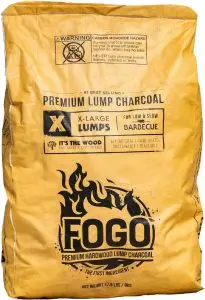
Best Alternative Lump
FOGO Premium Lump Charcoal
If Jealous Devil isn’t available, this is the closest alternative I’d use.
It burns clean, lights easily, and is straightforward to manage. It doesn’t quite match the density or burn time of Jealous Devil, but it’s reliable and widely available.
Why this works
- Clean, consistent burn
- Easy to light
- Mild, versatile flavor
- Widely available
What to expect
- More variation in piece size
- Some smaller pieces and dust
- Slightly shorter burn time than some other lumps
Who it’s best for: Anyone who wants a reliable, easy-to-use lump charcoal.
For more options like this, see my full guide to the best lump charcoal for smoking.
Also available at: Walmart
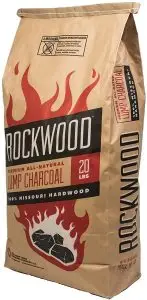
Best for Stronger Flavor
Rockwood Lump Charcoal
If you want a bit more character from your fire, this is a good option.
It’s made from a mix of hardwoods, which gives it a slightly stronger, more noticeable smoke profile compared to milder lump charcoals.
Why this works
- Stronger natural smoke profile
- Sustainably sourced
- Steady burn
What to expect
- More small pieces and dust
- Slightly less consistent burn
- Not as long-lasting as denser lump
Who it’s best for: Anyone who wants to add a stronger, more traditional BBQ flavor.
Also available at: Walmart
How to Choose the Right Charcoal for Your Setup
If you just want the simplest way to choose, use this:
👉 Briquettes for stability, lump for control
Kettle & Bullet Smokers
Use briquettes.
They hold a steady temperature for longer and are easier to manage on setups like kettles and bullet smokers.
Kamado Cookers
Use lump charcoal.
Kamados rely on airflow, and lump produces far less ash, which helps prevent the fire from choking out on longer cooks.
It also responds faster when you adjust vents, which suits how these cookers work.
Long vs Short Cooks
- Long cooks (brisket, pork shoulder): use briquettes for consistency
- Short cooks or higher heat: use lump charcoal for better control
What Beginners Should Start With
Start with a natural briquette.
They’re more predictable, easier to manage, and make it much simpler to learn temperature control without fighting the fire.
Common Mistakes When Smoking with Charcoal
- Using briquettes with fillers or additives
- Not letting charcoal burn clean before cooking
- Adding too much smoke wood
- Poor airflow management
Most issues come from fire control, not the charcoal itself.
FAQs
Is lump or briquettes better for brisket?
Briquettes are generally better for long brisket cooks due to their consistent burn. Lump charcoal gives you more control, hotter temperatures, and a completely natural fire.
Does lump charcoal burn hotter?
Yes, lump charcoal burns hotter and responds faster to airflow changes.
Are briquettes bad for smoking?
Only the ones with additives. Natural briquettes work very well.
Can you mix lump and briquettes?
You can, but it’s harder to control since they burn at different rates.
Final Thoughts
There’s no single perfect charcoal — just the right one for how you cook.
- For control and a clean, natural fire → lump charcoal
- For consistency and easier long cooks → briquettes
If I had to pick one overall, I’d use Jealous Devil lump charcoal most of the time, and switch to Jealous Devil XL Briquettes when I want a more stable, low-maintenance cook.
Keep it simple, use clean fuel, and your results will improve straight away.

Jared Brown is a barbecue enthusiast with hands-on experience across a wide range of grills, smokers, and outdoor cooking setups. He enjoys testing different styles of barbecue and helping readers choose equipment that suits the way they actually want to cook, rather than chasing a one-size-fits-all answer. His practical, open-minded approach makes him a trusted voice for backyard cooks looking for honest guidance and better results.